In 2025, every startup and enterprise must understand how to build a business intelligence system to remain competitive. By using BI tools, data analytics platforms, and cloud-based dashboards, companies can transform raw data into actionable insights.
Keywords like “step-by-step BI guide,” “how to build a business intelligence system,” and “business intelligence software 2025” generate high CPC rates, as advertisers compete for leads in the booming BI industry.
Step 1: Define Business Goals and Objectives
Every BI system must start with a clear business strategy. Identify whether the goal is to increase sales, optimize supply chains, improve customer experience, or detect financial risks.
- High CPC Keywords: “business intelligence goals,” “BI strategy for startups.”
- Why It Matters: A BI system without defined objectives becomes a data overload with no ROI.
Step 2: Identify Key Data Sources
The foundation of a strong BI system lies in data collection. Businesses must gather information from CRM tools, ERP systems, e-commerce platforms, IoT devices, and financial applications.
- High CPC Keywords: “BI data sources,” “enterprise data integration.”
- Why It Matters: Accurate and complete data ensures better forecasting and decision-making.
Step 3: Choose the Right BI Tools and Platforms
Selecting the right business intelligence software is crucial. Popular BI platforms in 2025 include Tableau, Power BI, Qlik Sense, Looker, and Sisense.
- High CPC Keywords: “best BI software 2025,” “cloud BI platforms.”
- Why It Matters: The choice of platform determines scalability, integration, and overall ROI.
Step 4: Design the BI Architecture
A robust BI architecture includes data warehouses, ETL (Extract, Transform, Load) pipelines, and reporting dashboards.
- High CPC Keywords: “BI architecture design,” “data warehouse for business intelligence.”
- Why It Matters: Without proper architecture, BI systems collapse under large datasets.
Step 5: Data Integration and ETL Processes
BI systems require integrating multiple data sources into one centralized repository. ETL tools clean, transform, and load data for analysis.
- High CPC Keywords: “ETL for BI systems,” “data integration tools.”
- Why It Matters: Ensures consistency and reliability in business intelligence dashboards.
Step 6: Implement Data Governance and Security
With stricter compliance regulations (GDPR, HIPAA, PCI-DSS), businesses must prioritize data governance and cybersecurity in BI systems.
- High CPC Keywords: “BI data governance,” “business intelligence security.”
- Why It Matters: Protects sensitive data while ensuring legal compliance.
Step 7: Build Dashboards and Visualization Tools
The most visible part of BI systems is the interactive dashboards. These allow businesses to track KPIs, sales performance, customer journeys, and financial metrics.
- High CPC Keywords: “BI dashboards 2025,” “data visualization tools.”
- Why It Matters: Clear visualization ensures stakeholders can make faster, data-driven decisions.
Step 8: Implement Self-Service BI
Self-service BI allows employees across departments to access insights without IT support.
- High CPC Keywords: “self-service BI platforms,” “easy BI dashboards.”
- Why It Matters: Democratizes data access and improves organizational efficiency.
Step 9: Apply Predictive Analytics and AI
AI-powered BI platforms use machine learning models to predict market shifts, customer churn, and supply chain issues.
- High CPC Keywords: “AI business intelligence,” “predictive analytics BI.”
- Why It Matters: Enhances accuracy and gives companies a competitive advantage.
Step 10: Test, Train, and Deploy the BI System
Before full deployment, businesses must test BI dashboards, train employees, and ensure system stability.
- High CPC Keywords: “BI system deployment,” “BI training for startups.”
- Why It Matters: Prevents errors and ensures maximum adoption across the organization.
Step 11: Monitor, Maintain, and Scale
A BI system is never truly finished. Continuous monitoring, upgrades, and scaling ensure the system adapts to new business needs.
- High CPC Keywords: “scaling BI systems,” “BI system monitoring.”
- Why It Matters: Guarantees long-term ROI and relevance in competitive industries.
Why Goal Alignment Is the Foundation of BI
A BI system is only as effective as the goals it supports. For example, a retail startup might use BI to track customer churn and sales per region, while a healthcare provider uses BI to monitor patient outcomes and compliance costs. Without clear goals, businesses risk building a BI system that generates data noise instead of actionable insights. Advertisers target terms like “BI strategy alignment” and “business goals for BI” because they directly link to high-value decision-making.
Data Quality: The Heart of BI Success
A common challenge in BI systems is poor data quality. Inaccurate, incomplete, or duplicate data leads to faulty insights. Startups must invest in data cleansing and validation processes to ensure that their BI dashboards reflect reality. For example, a financial company tracking transaction data must filter out anomalies to prevent false fraud alerts. That’s why keywords like “data quality for BI” and “clean data analytics” command high CPC rates.
Real-World Example: Cloud BI in E-Commerce
An e-commerce business using a cloud BI platform can integrate sales, marketing, and customer service data into one dashboard. By analyzing which marketing channels generate the highest ROI, the company can redirect ad spend more effectively. If a click on “best cloud BI software” leads to a SaaS subscription worth $10,000 annually, advertisers are willing to bid $50–$100 CPC for those leads.
AI and Predictive Analytics for Smarter Decisions
Traditional BI reports what happened in the past. Modern AI-powered BI predicts what will happen next. For example, a logistics company can use predictive BI to anticipate delivery delays based on weather patterns and traffic data, ensuring customer satisfaction. Keywords like “predictive BI analytics” and “AI BI software” are highly profitable because they target enterprises seeking future-proof solutions.
The Role of Self-Service BI in Digital Transformation
Self-service BI platforms allow teams across marketing, finance, and operations to generate insights without relying on IT. For example, a sales team can instantly create a customer acquisition funnel report with drag-and-drop dashboards. This democratization of data is why “self-service BI dashboards” is a premium CPC keyword—it appeals to both SMBs and large enterprises.
Business Intelligence System Maintenance: The Overlooked Step
Many businesses fail because they treat BI implementation as a one-time project. BI systems require continuous monitoring, upgrades, and training. A healthcare startup, for instance, may need to update BI dashboards regularly to comply with HIPAA or GDPR regulations. Advertisers know the recurring value of BI maintenance, which is why keywords like “BI system monitoring” and “BI platform support” are competitive in ad auctions.
Why BI Systems Attract High CPC Advertising
- Recurring SaaS Revenue: BI platforms rely on subscription models with high customer lifetime value (CLV).
- Cross-Industry Demand: BI is used in healthcare, finance, retail, real estate, and education.
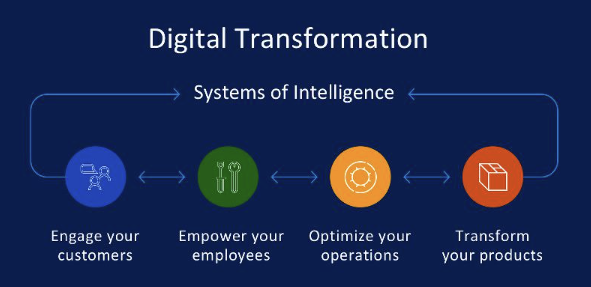
- Strategic Importance: BI systems directly drive digital transformation, making every advertising click worth thousands.
Challenges in Building a BI System
1. Data Silos and Integration Issues
Startups often struggle to unify data across platforms.
2. High Setup Costs
Though expensive initially, BI systems deliver long-term ROI.
3. Skills Gap
Businesses may lack trained BI professionals to interpret insights effectively.
Future of BI Systems Beyond 2025
The next evolution of BI will include quantum computing, natural language BI queries, and fully automated AI-driven decision engines. Startups and enterprises that adopt BI early will dominate global markets with real-time, predictive insights.
Conclusion
This step-by-step guide to building a business intelligence system covers defining goals, identifying data sources, selecting BI platforms, designing architecture, applying predictive analytics, and ensuring scalability. With high CPC keywords like cloud BI, predictive analytics, and self-service dashboards, BI remains one of the most profitable niches in digital transformation.
FAQs
1. What is the first step in building a BI system?
Defining business goals and objectives is the foundation of any BI strategy.
2. Which BI tools are best for startups in 2025?
Tableau, Power BI, Qlik Sense, and Looker are among the most startup-friendly BI platforms.
3. Why do BI-related keywords attract high CPC rates?
Because BI systems drive long-term SaaS subscriptions and enterprise ROI.
4. How can startups reduce BI system costs?
By using cloud-based BI platforms instead of expensive on-premise solutions.
5. What is the future of BI systems?
AI-powered predictive BI and natural language dashboards will dominate beyond 2025.